China Mosaic
Product summary
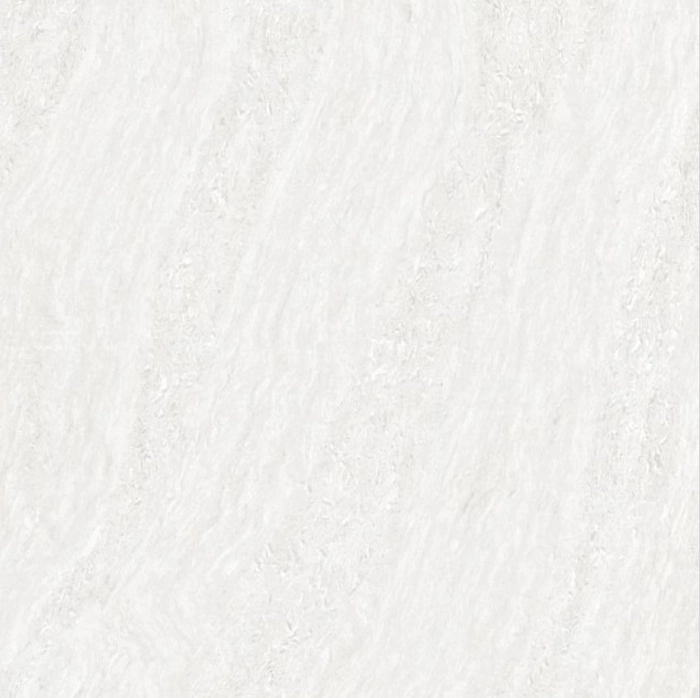
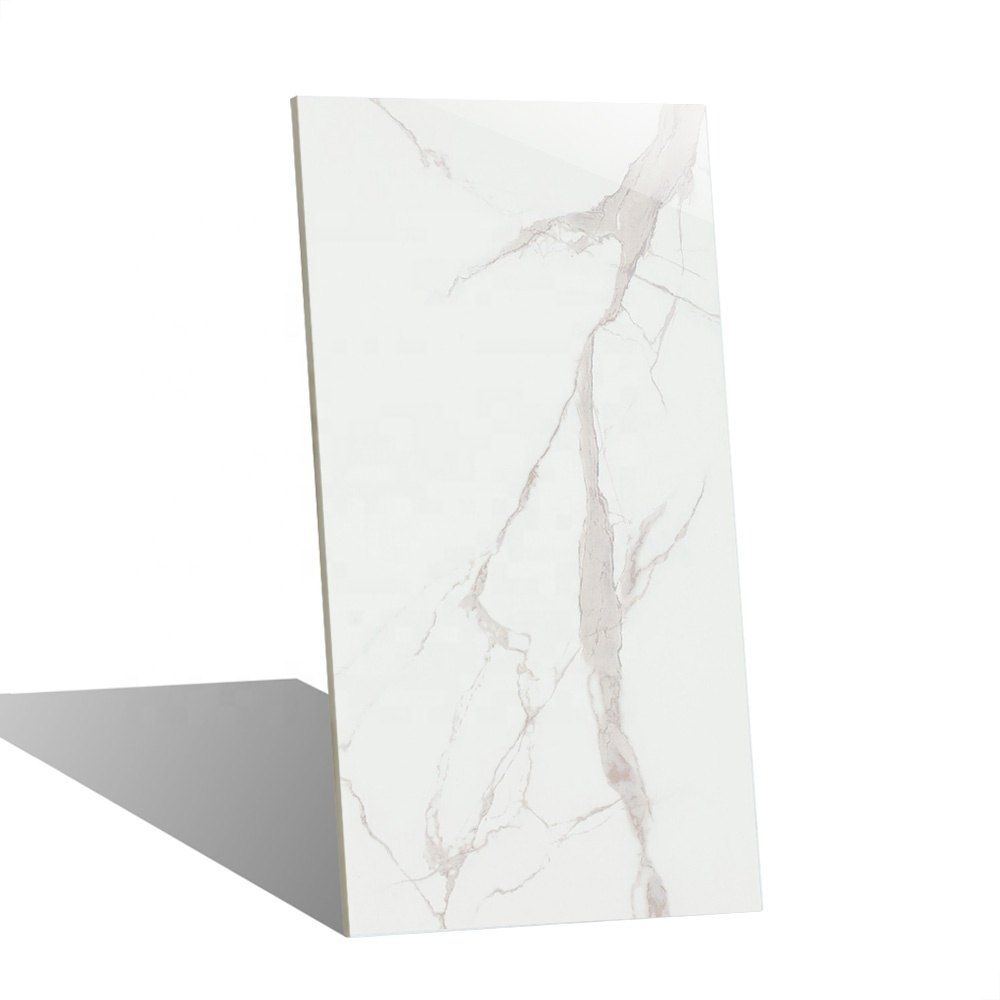
China Mosaic is a traditional yet highly effective flooring technique primarily used on terraces and rooftops for heat insulation and waterproofing. It consists of broken pieces of white or colored glazed ceramic tiles (often "China" ware or waste vitrified tiles) embedded into a cement mortar bed.
Category
Vitrified Tiles
Built for B2B buyers looking for dependable supply and clear specifications.
Long information
Detailed product information
Technical Specifications
Layer Thickness: Typically 25mm to 50mm (including the mortar bed and the tile pieces).
Composition:
Top Layer: Broken ceramic/vitrified tile pieces (usually 20mm to 50mm in size).
Base Layer: Cement-sand mortar (typically 1:4 ratio) often mixed with a waterproofing compound or SBR latex.
Reflectivity: High Solar Reflectance Index (SRI) if white tiles are used.
Weight: Approximately 60kg to 80kg per square meter, depending on thickness.
Key Functions & Benefits
1. Thermal Insulation (Heat Reduction)
This is the primary reason for choosing China Mosaic. The white glazed surface reflects a significant portion of solar radiation. In tropical climates, this can reduce the temperature of the ceiling below by 3°C to 5°C, significantly lowering air conditioning costs.
2. Waterproofing Layer
While the tiles themselves are waterproof, the system acts as a protective "shield" for the main RCC (concrete) slab. When installed with a proper slope and a polymer-modified mortar, it effectively sheds rainwater and prevents seepage.
3. Durability and Cost-Effectiveness
Because it utilizes waste or broken tiles, the material cost is lower than full-tile installation. It is extremely durable, weather-resistant, and can last for decades without significant maintenance.
4. Aesthetic Appeal
The "broken" or "shattered" pattern creates a unique, handcrafted look. While white is standard for heat reflection, colored pieces are often added to create decorative borders or patterns.
Installation Description (The Process)
Surface Preparation: The terrace slab is cleaned and treated with a bonding agent (like an SBR slurry) to ensure the mortar sticks to the concrete.
Base Mortar: A layer of cement mortar is spread, keeping a proper slope (gradient) toward the water drainage pipes.
Laying the "China": Broken tile pieces are hand-laid onto the wet mortar. They are placed close together but with enough gap for the grouting material.
Tamping: The pieces are gently tapped into the mortar to ensure they are level and well-embedded.
Grouting/Slurry: A thin mixture of white cement (often mixed with marble dust) is spread over the entire surface to fill the gaps between the broken pieces.
Cleaning & Curing: The excess cement is cleaned off the glazed surface before it sets. The floor is then cured with water for at least 7 to 10 days.
Maintenance Tips
Periodic Cleaning: To maintain its heat-reflective properties, the surface should be washed regularly. Accumulated dust and algae reduce its ability to reflect sunlight.
Joint Inspection: Over time, the white cement joints may wear down. Re-filling these joints every few years ensures the floor remains waterproof.
Crack Repair: If the building settles and cracks appear, they should be filled immediately with a flexible sealant or epoxy to prevent water from reaching the slab.
Send inquiry
Tell us your quantity, market, and packaging requirements.