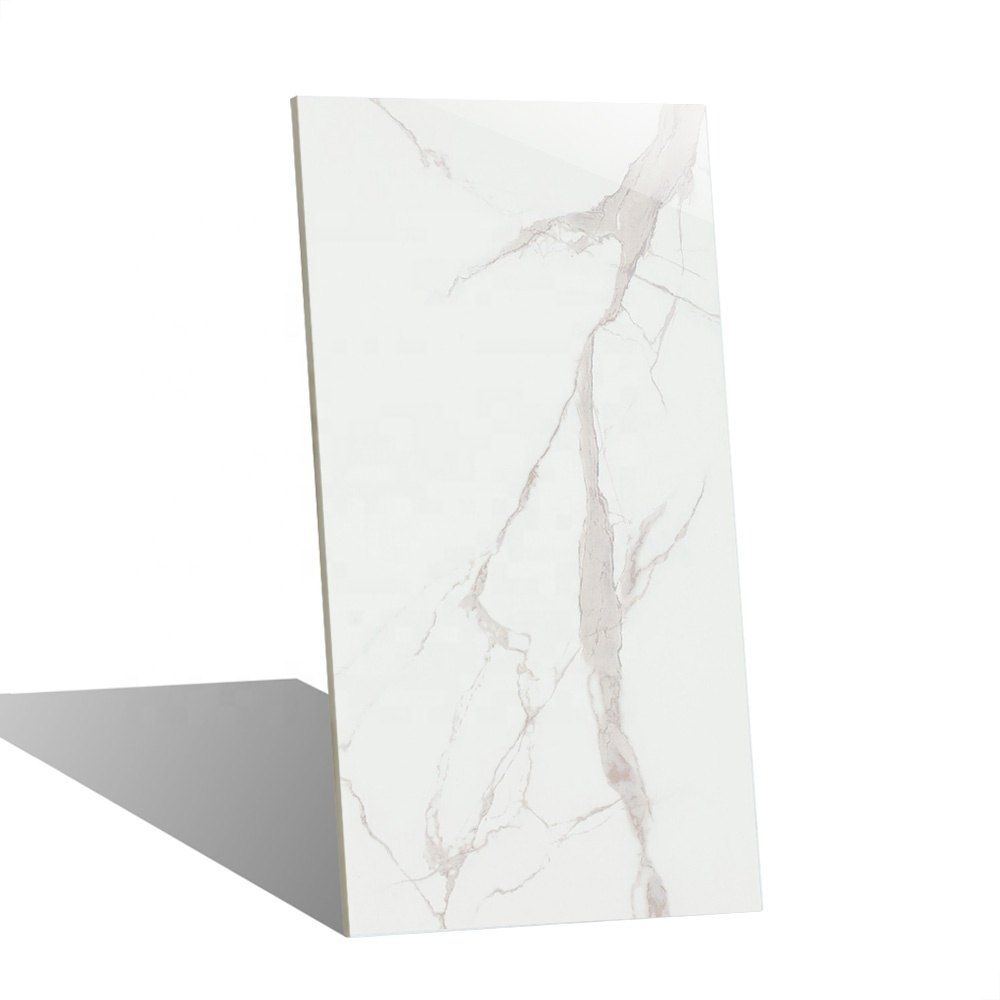
600 x 600
Product summary
The 2x2 foot (600x600mm) vitrified tile is the industry standard for residential and commercial flooring. "Vitrified" refers to the process where the tile is fired at extremely high temperatures (over 1200°C), fusing the silica and clay into a glass-like, non-porous material.
Category
Vitrified Tiles
Built for B2B buyers looking for dependable supply and clear specifications.
Long information
Detailed product information
Technical Specifications
Most 600x600mm vitrified tiles adhere to ISO 13006 or EN 14411 (Group BIa) standards:
Dimensions: 600mm x 600mm (Approx. 23.6" x 23.6").
Thickness: Typically 8.5mm to 10mm.
Water Absorption: < 0.05% (extremely low, preventing deep stains and moisture damage).
Modulus of Rupture (Strength): > 35 N/mm² (high resistance to heavy furniture and foot traffic).
Surface Hardness: 6 to 7 on the Mohs Scale (highly scratch-resistant).
Edge Finish: Usually Rectified (mechanically ground to be perfectly square), allowing for very narrow grout lines (1.5mm–2mm).
Common Types of 2x2 Vitrified Tiles
1. Double Charge (Multi-Layer)
Description: The top layer of the tile (3-4mm) is composed of two types of infused color pigments.
Best For: High-traffic areas like living rooms, offices, and malls.
Benefit: The design is thick enough that it won't wear away even under heavy commercial use.
2. Full Body Vitrified
Description: The color and pattern run through the entire thickness of the tile.
Best For: Industrial areas, stairs, or heavy-duty commercial kitchens.
Benefit: If the tile chips, the damage is nearly invisible because the color is the same all the way through.
3. GVT (Glazed Vitrified Tiles)
Description: A vitrified base with a high-definition inkjet-printed design on the surface, covered by a protective glaze.
Best For: Bedrooms and feature walls.
Benefit: Offers the widest variety of aesthetics, including realistic marble, wood, and stone textures.
4. PGVT (Polished Glazed Vitrified Tiles)
Description: Similar to GVT but with a high-gloss, mirror-like finish.
Best For: Formal areas where a luxury look is desired.
Benefit: Very easy to clean, though they can be slippery when wet.
Key Advantages
Stain Resistance: Due to the low porosity, liquids like coffee, ink, or oils sit on the surface rather than soaking in.
Dimensional Stability: Unlike natural stone or wood, these tiles do not expand or contract significantly with temperature changes.
Hygienic: The dense surface prevents the growth of bacteria and fungi.
Recommended Installation Accessories
To ensure these tiles perform to their specifications, the following are often used:
Adhesive: A Type 2 (C2) polymer-modified thin-set mortar.
Grout: An epoxy or high-grade polymer-modified grout to match the low-absorption nature of the tile.
Spacers: 2mm spacers are standard for a seamless look with rectified edges.
Substrate: Adding an SBR slurry to the base concrete can help ensure a permanent bond between the slab and the adhesive.
Send inquiry
Tell us your quantity, market, and packaging requirements.