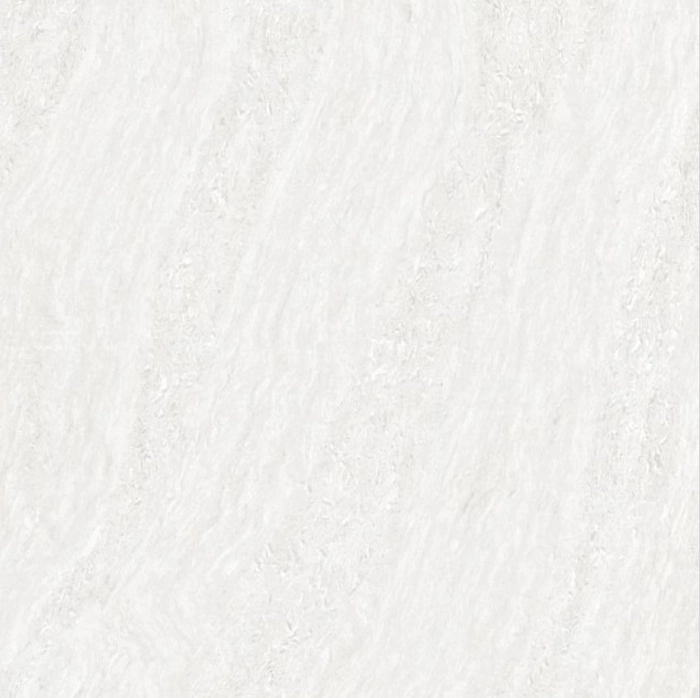
600 x 1200
Product summary
Large-format tiles measuring 600mm x 1200mm (approximately 2ft x 4ft) have become the modern standard for both residential and commercial flooring. Their rectangular shape and significant surface area create a "slab-like" appearance that makes rooms look larger by reducing the number of visible grout lines.
Category
Vitrified Tiles
Built for B2B buyers looking for dependable supply and clear specifications.
Long information
Detailed product information
Technical Specifications
Most 600x1200 tiles are Full Bodied or Glazed Vitrified Tiles (GVT) produced using high-pressure hydraulic presses.
Thickness: Typically 9mm to 11mm for standard floors; "Slim" versions may be 5mm to 6mm.
Water Absorption: < 0.05% (classified as Group BIa).
Breaking Strength: ≥ 1300 N (Newtons).
Surface Flatness: High precision (usually ± 0.1% deviation) to ensure a level floor across the long span.
Edge Finish: Rectified (mechanically ground to a sharp 90° angle) to allow for minimal grout joints of 1.5mm to 2mm.
Weight: Approximately 28kg to 32kg per box (usually 2 pieces per box, covering 1.44 square meters).
Key Styles & Finishes
1. Polished (High Gloss)
These tiles undergo a mechanical polishing process to achieve a mirror-like finish. They are popular for living rooms and lobbies but can be slippery when wet.
2. Matt / Satin
A non-reflective surface that offers a soft, contemporary feel. These provide better slip resistance (typically R9 or R10 rating) and are excellent for kitchens or high-traffic areas.
3. Carving / High-Definition (HD) Prints
Modern 600x1200 tiles use digital inkjet printing to mimic natural Italian marbles (like Statuario or Calacatta), wood grains, or concrete. "Carving" finishes include a subtle texture that follows the veins of the marble for a realistic feel.
Installation Requirements (The "Critical" List)
Because of their size and weight, 600x1200 tiles require different handling than standard square tiles:
Substrate Leveling: The floor must be perfectly level. Any "humps" in the concrete will cause the tile to "lippage" (where one edge sits higher than the other).
Adhesive Choice: You must use a high-polymer-modified adhesive (Class C2TE or better). Standard sand and cement are often insufficient to bond such a dense, large-format tile.
Back-Buttering: Adhesive should be applied to both the floor and the back of the tile to ensure 100% coverage and prevent hollow spots.
Vibration Tools: Professionals often use electric suction vibrators to settle the tile into the adhesive bed and remove air pockets.
Leveling Systems: Use plastic leveling clips and wedges to pull the tiles into perfect alignment during the curing process.
Why Choose 600x1200?
Visual Continuity: Fewer grout lines create a seamless, high-end look similar to natural stone slabs.
Versatility: They can be laid in a "stack bond" (grid) or "brick bond" (staggered) pattern. They are also increasingly used as wall cladding in bathrooms to minimize mold-prone grout areas.
Hygiene: Fewer joints mean fewer places for dirt and bacteria to accumulate.
Send inquiry
Tell us your quantity, market, and packaging requirements.