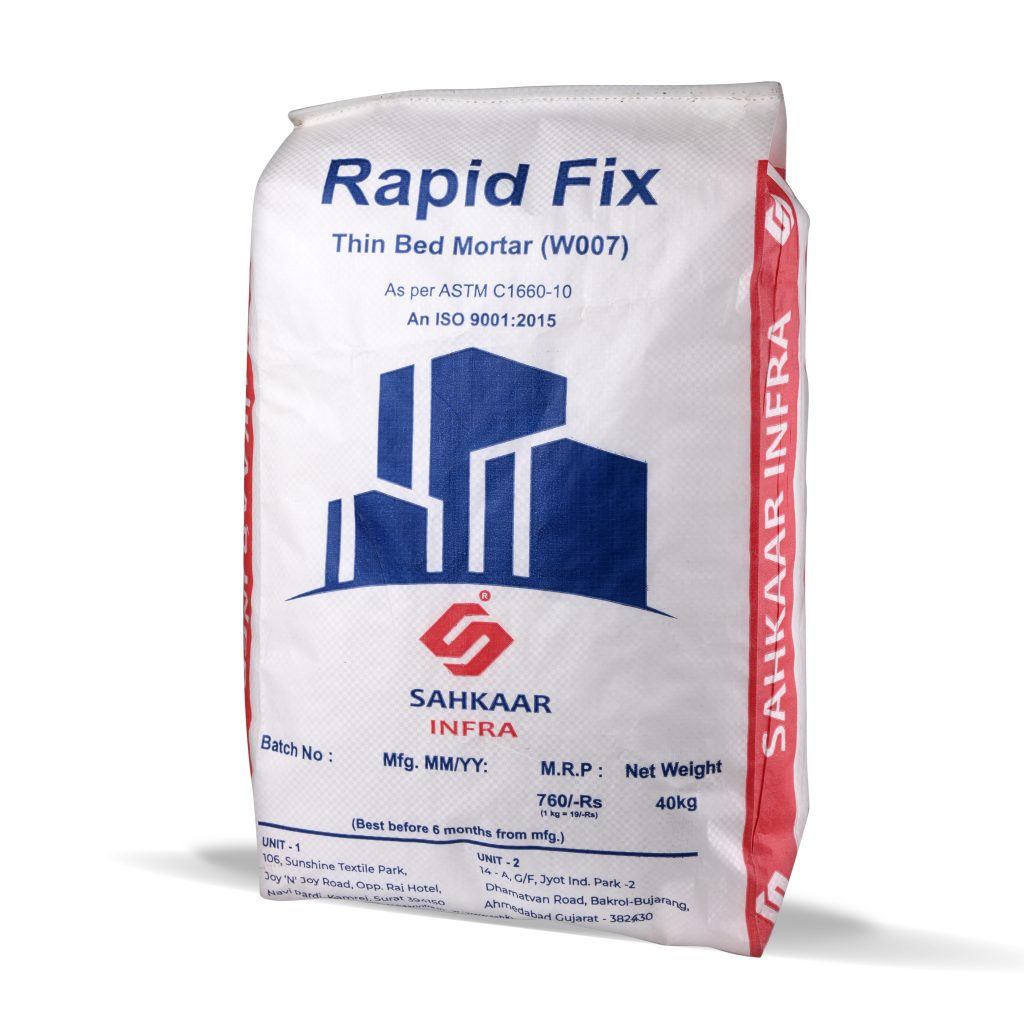
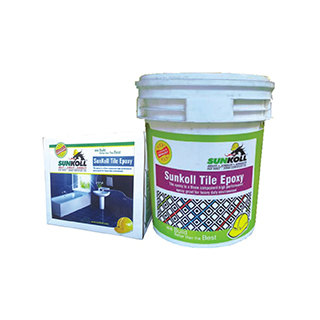
Tile Adhesive
Product summary
Tile adhesive is a specialized factory-made mixture used to glue tiles on surfaces like floors, walls, and swimming pools. Unlike traditional sand-and-cement mortars, modern adhesives are engineered for high strength, flexibility, and ease of application.
Category
Building Raw Materials
Built for B2B buyers looking for dependable supply and clear specifications.
Long information
Detailed product information
1. Product Description
Tile adhesive is a cementitious or resin-based bonding agent designed to secure various types of tiles (ceramic, porcelain, stone, glass) to diverse substrates. It is typically available as a dry-mix powder that requires only the addition of water, or as a pre-mixed paste (mastic) for immediate use.
### Key Characteristics
High Bond Strength: Formulated to grip non-porous surfaces like porcelain or existing tiles.
Workability: Offers a long "open time," allowing installers to adjust tiles before the adhesive sets.
Sag Resistance: Designed to hold heavy wall tiles in place without sliding during installation.
Water & Heat Resistance: Specialized versions are available for wet areas (showers) or high-temperature environments (fireplaces).
## 2. Technical Specifications
Specifications generally follow international standards such as ISO 13007 or EN 12004. Adhesives are classified by their chemistry and performance:
| Feature | Specification Range |
|---|---|
| Classification | C1 (Standard), C2 (Enhanced), T (Thixotropic/Non-slip), E (Extended open time) |
| Mixing Ratio | ~5 to 6 Liters of water per 20kg bag |
| Pot Life | 2 to 3 hours (at 25°C - 30°C) |
| Open Time | 20 to 30 minutes |
| Adjustment Time | 15 to 20 minutes |
| Tensile Adhesion | $\ge 0.5\text{ N/mm}^2$ (C1) to $\ge 1.0\text{ N/mm}^2$ (C2) |
| Grouting Interval | 24 hours (Walls), 24–48 hours (Floors) |
| Full Cure | 14 to 28 days |
3. Common Types of Adhesive
Type 1 (C1): Standard cementitious adhesive for ceramic tiles on internal walls and floors.
Type 2 (C2): High-performance adhesive with polymers for porcelain tiles, large format stones, and external applications.
Flexible (S1/S2): Deformable adhesives designed for substrates subject to vibration or thermal expansion (e.g., plywood floors or underfloor heating).
Epoxy Adhesive: A chemical-resistant resin adhesive used in industrial kitchens, hospitals, or areas requiring extreme hygiene and durability.
4. Application Guide
Surface Prep: Ensure the substrate is clean, dry, and level.
Mixing: Mix the powder with water until a lump-free, creamy consistency is achieved. Let it "slake" (sit) for 5 minutes, then re-mix.
Spreading: Apply the adhesive using a notched trowel. The notch size depends on the tile size (e.g., 6mm for small tiles, 10mm-12mm for large format).
Fixing: Press the tile firmly into the ribs of the adhesive and twist slightly to ensure full coverage.
Cleaning: Remove excess adhesive from the tile surface and joints with a damp sponge before it hardens.
Pro Tip: Always check the "back-buttering" requirement for large tiles. Applying a thin layer of adhesive to the back of the tile itself ensures 100% contact and prevents hollow spots.
Send inquiry
Tell us your quantity, market, and packaging requirements.